Quick answer (updated August 2026): January and February are the Mara’s most underrated months: short grass, the year’s best cheetah visibility, wildebeest birthing season, and the fewest vehicles. The Great Migration runs July to October, while April and May are the green, private, bird-rich value window with over 450 species active. There is no bad wildlife month in the Mara, only different experiences.
The Masai Mara is one of those places where your travel dates shape the entire character of what you see. Not because wildlife disappears in some months, the Mara holds year-round wildlife of extraordinary quality, but because the ecosystem shifts fundamentally across the seasons, and different months privilege different experiences.
This guide breaks down what is happening with the Mara’s wildlife in every calendar month, so you can match your travel window to the experience you actually want rather than relying on generic “best time to visit” advice.
January: Birthing Season and Peak Predator Action
January in the Mara is defined by a spectacle that most travelers miss because they associate Kenya with the July-August migration: the wildebeest birthing season. Thousands of wildebeest, zebra, and Thomson’s gazelle calves drop on the southern Mara plains, triggering a level of predator activity that rivals anything in migration months.
The conditions favour hunting. Grass is short in the dry January landscape. Prey is concentrated and newly vulnerable. Predators are active all day rather than resting through the midday heat.
Lion prides hunt daily. Cheetah mothers with sub-adult cubs are in active teaching phase, cubs are old enough to participate in hunts but still dependent on their mother’s skill. Leopards in the Talek River area are well-fed and regularly spotted in trees.
Vehicle numbers are at their annual low. You share sightings with a fraction of the vehicles present in July or August. For wildlife photographers, January’s short grass, clear light, and low-competition viewing represents some of the best conditions of the year.
Wildlife rating: Outstanding. One of the most underrated months in the Masai Mara.
February: Best Cheetah Visibility of the Year
February extends the dry season and intensifies everything that made January strong. The grass is at its shortest, which is the defining condition for cheetah sightings. A cheetah on the flat Mara plain in February is visible from a kilometre away, the same animal in July’s taller grass is invisible at 50 metres.
Lion prides hunt around shrinking water sources where prey concentrates. Cheetah are active on the open plains with unobstructed sight lines in every direction. Leopard activity along the Talek River woodlands remains consistent.
Photography conditions are exceptional. Clear blue skies, dry golden grass, active predators in open terrain, and low visitor numbers produce the classic Masai Mara images.
Wildlife rating: Excellent. One of the top two months for predator viewing specifically.
March: Strong Opening, Green Transition
The first half of March continues February’s quality. The long rains typically arrive in mid to late March, and the ecosystem transforms rapidly.
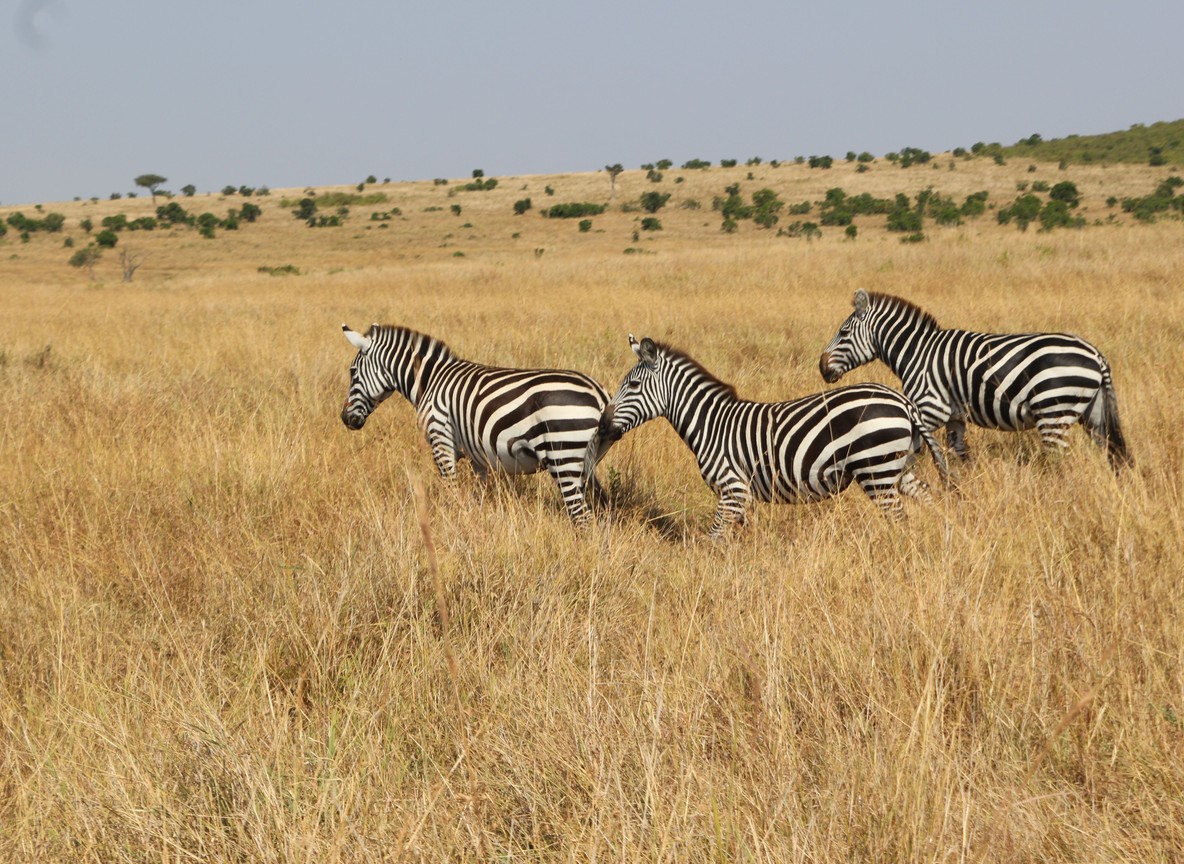
As grass grows in the second half of the month, wildlife disperses from the dry-season water-source concentrations. Game drives shift from targeted tracking of known sighting areas to reading the landscape more broadly. Elephant families with calves graze across fresh green growth. Zebra herds move across newly greened plains.
Resident lion prides, hippo pods, and elephant families remain consistently visible through all of March. The change is in the search pattern, not the wildlife availability.
Prices drop significantly as the low season begins in late March. For value-focused travelers who can work with variable grass height, late March offers good wildlife at discounted rates.
Wildlife rating: Very good (early March) to good (late March).
April: Lush and Private
April is green-season Mara at its most dramatic and most private. The landscape looks nothing like the dry season photographs most travelers associate with the ecosystem. Emerald plains, dramatic skies, seasonal pools reflecting clouds.
Lion prides rest in longer grass, harder to spot, more dramatic when found. Cheetah mothers use dense green cover to hide dependent cubs from hyena and lion. Leopards use riverine vegetation for hunting ambushes.
Migratory birds from Europe and northern Asia are arriving in significant numbers. April is one of the best months in the Mara for birdwatching, European bee-eaters, rollers, steppe kestrels, and hundreds of migratory species join the resident bird community of 450 or more species.
Vehicle numbers are very low. Private sightings at lion kills, without any other vehicle arriving, are standard rather than unusual.
Wildlife rating: Good. Wildlife present and active throughout. Excellent for birding and exclusive access.
May: Peak Birding, Lowest Crowds
May continues the green season pattern with slightly improving conditions as rainfall begins to ease. Wildlife is abundant and active. Birding reaches its annual peak, the full complement of migratory species is present alongside the resident community, and over 450 species are simultaneously active in the ecosystem.
Specialist birding guides operating in May consistently rate it as the single best month for avian diversity in the Mara. Ground hornbills, secretary birds, martial eagles, and over 50 species of raptor share the landscape with the arriving migrants.
Mammal viewing is excellent for species that do not require short grass to spot: elephant, hippo, giraffe, buffalo. The Mara River hippo pods are active year-round, and May’s lower visitor numbers mean you can watch a hippo pod for an hour without another vehicle arriving.
Wildlife rating: Good for mammals, outstanding for birds. Best value month in the Masai Mara.
June: Transition to Peak Season
June marks the return of the dry season and a rapid shift in character. Grass shortens. Game drive conditions improve dramatically. And the first advance scouts of the Great Migration, individual wildebeest and small groups that precede the main herds, begin crossing from Tanzania’s northern Serengeti into Kenya.
Lion prides shift back into full hunting mode. Cheetah resume regular open-plains sightings. Leopard visibility increases along the Talek area as vegetation thins.
By late June, the first wildebeest herds are arriving in the southern Mara, and the atmosphere of the entire reserve changes. Predators begin positioning along likely herd routes. Guides start monitoring the river for the first crossing-point activity.
Book well ahead for June, it fills faster than most travelers expect, catching the long pre-migration build without migration-peak prices.
Wildlife rating: Very good to excellent. Pre-peak value with rapidly building wildlife intensity.
July: The Migration at Full Force
July is when the Masai Mara becomes the most famous wildlife destination on earth, and for specific reasons. Approximately 1.5 million wildebeest are in the Mara ecosystem. The Mara River crossings happen daily, sometimes multiple times per day, as the herds surge across crocodile-filled water to reach fresh grazing on the opposite bank.
Every species is at peak visibility and activity:
Lion prides hunt nightly and rest in full view during the day. Cheetah pursue wildebeest calves across the open migration plains. Leopards ambush wildebeest stragglers in the riverine woodland at the crossing sites. Crocodiles, some of the largest in Africa, are visibly congregated at the crossing points. Hyena clans and vulture groups follow the migration herds constantly.
Elephant, giraffe, and buffalo are all present and active alongside the migration herds, creating the most diverse single-frame wildlife photography of any month.
The experience is extraordinary and the vehicle numbers reflect it. July sees peak visitor numbers and peak accommodation prices. Book 6 to 9 months in advance.
Wildlife rating: Peak. The definitive Masai Mara month.
August: Crossing Season Intensifies
August mirrors July’s wildlife density. The Great Migration remains at full force. The Mara River crossings continue and frequently intensify, August sees some of the most dramatic individual crossing events of the entire season as wildebeest herds build massive pressure at the river banks before committing.
The same full species list as July: lion, leopard, cheetah, elephant, buffalo, hippo, crocodile, alongside the migration’s 1.5 million wildebeest and hundreds of thousands of zebra. Days are slightly warmer and afternoons can produce hazy light, but wildlife density and excitement are unchanged.
Accommodation prices remain at peak levels. Book well in advance.
Wildlife rating: Peak. Outstanding across every category.
September: Migration Peak With Better Access
September offers something genuinely valuable for travelers who can be flexible about exact timing: the full Great Migration experience with marginally lower vehicle pressure than July and August.
Wildebeest herds remain in the Masai Mara ecosystem. River crossings continue, some of the season’s most dramatic crossing events happen in September as pressure builds at the river banks with large herds waiting on both sides. Big cat sightings remain at peak frequency. Elephant herds move through the Mara Triangle. Every major species is present and active.
The difference from peak months is subtle. Slightly fewer vehicles at sightings, slightly better chances of a private moment at a crossing if you position early. Early morning drives in September, cool, clear, with the migration dust catching the rising sun, are among the most atmospheric of the year.
Wildlife rating: Outstanding. The most recommended month for experienced safari travelers who want the full migration experience.
October: Migration Transition and Resident Wildlife
October marks a shift. The Great Migration wildebeest begin their southward return to Tanzania, following the seasonal rains back toward the Serengeti’s southern plains. Herd numbers thin through the month. Mara River crossings become less frequent as the herds leave rather than arriving.
The resident wildlife fills the gap. Lion prides that have been well-fed through migration season shift attention back to topi, zebra, and buffalo. Cheetah on the open plains remain active and visible. Elephant herds disperse widely as the first short rains begin greening the landscape.
October leopard sightings increase as vegetation thins after the dry season. Buffalo herds attract consistent lion attention through the month.
Accommodation prices begin easing from peak levels, and the first-week-of-October window, when migration herds are still present but visitor numbers are starting to fall, is worth noting.
Wildlife rating: Good to excellent. Strong resident wildlife throughout; migration through mid-October. Prices improving.
November: The Mara’s Best-Kept Secret
November is the month that knowledgeable Mara travelers often prefer. The wildebeest have mostly returned south. The visitor numbers have dropped significantly from peak season. But the resident wildlife, every major species that lives in the Mara year-round, is active, well-fed from the season’s abundance, and largely to yourself.
Lion prides hunt topi, zebra, and buffalo calves. Cheetah sightings are consistent on the open plains. Leopard sightings increase as short rains thin out the vegetation. A second wave of migratory birds arrives, making November one of the two best birding months of the year alongside April and May.
November mornings in the Mara are typically clear until midday, when brief afternoon storms may develop before clearing. The rain rarely disrupts full morning game drives.
Wildlife rating: Excellent. Seriously underrated. Good resident wildlife, excellent birding, and the Mara largely to yourself.
December: Green Season Returns, Festive Atmosphere
December brings the short rains’ tail end and the gradual transition toward the January dry season. The ecosystem is greening. Wildlife is widely distributed and active. Elephant families with calves are particularly visible across the freshly greened plains. Lion prides continue hunting consistently. Bird watching remains strong as migratory species are still present.
Early December can be variable, with rain affecting some drives. From mid-December onward, conditions improve significantly. The festive period brings a rise in visitor numbers and a distinctive atmosphere in the camps, the Mara in late December has a quality that regular visitors often specifically return for.
Wildlife rating: Good (early December) to very good (mid-December onwards).
Quick Reference: Every Month in the Mara
| Month | Highlight Species | Big Cat Activity | Great Migration | Visitor Crowd |
|---|---|---|---|---|
| Jan | Wildebeest calves (birthing) | Very High | Absent | Low |
| Feb | Cheetah (short grass peak) | Very High | Absent | Low-Moderate |
| Mar | Mixed predators | High (early) / Moderate (late) | Absent | Low |
| Apr | Migratory birds | Moderate | Absent | Very Low |
| May | Migratory birds (peak) | Moderate | Absent | Very Low |
| Jun | Wildebeest scouts arriving | High | Arriving | Moderate |
| Jul | Wildebeest + Mara River crossings | Peak | Peak | Peak |
| Aug | Wildebeest + river crossings (intense) | Peak | Peak | Peak |
| Sep | Dramatic crossings, full herd density | Peak | Peak | High |
| Oct | Transition + resident wildlife | Very High | Departing | High then Moderate |
| Nov | Resident wildlife + birds | High | Absent | Moderate |
| Dec | Elephant herds + birds | High | Absent | Moderate-High |
Explorer Notes
Best single month for predators without migration: February. Short grass, clear light, low crowds. Cheetah visibility is as good as it gets anywhere in Africa.
Best single month for migration: September, for travelers who want the full experience with slightly better vehicle access than July-August. July if you want the peak density and are booking well in advance.
Best value month: May. Outstanding birding, good mammal viewing, lowest accommodation prices, lowest crowds.
Most underrated month: November. The post-migration resident wildlife picture, combined with excellent birding and low visitor numbers, makes this month consistently better than most travelers expect.
Photography timing within any month: First light and last light are universally the strongest windows. The hour after sunrise and the hour before sunset produce the best light, the most active predator behaviour, and the longest shadows that give Mara landscape photography its character.
Big Five and Big Nine, defined: the Big Five (lion, leopard, elephant, buffalo, rhino) is the classic list, and the Big Nine adds cheetah, giraffe, hippo, and zebra. Every month above covers lion, leopard, cheetah, elephant, and buffalo in detail because they are genuinely common in the Mara. Rhino is the exception: black rhino numbers in the reserve are very small, and a sighting is a real bonus rather than something to plan around. On a 3-night safari with an experienced guide, seeing four of the five Big Five is typical, and many travellers do see all five, but rhino is the one that should not be counted on.
For more on matching specific wildlife targets to specific months and zones, the Mara Triangle vs Masai Mara Reserve Guide covers how the zone you stay in affects what you access in each season. The Masai Mara Cheetah Guide covers timing and positioning specifically for cheetah encounters across the year.
Every trip described here can be tailored: dates, budget, camps, and pace built around you.
Get a Personalised SafariFurther reading
More safari planning resources
- Wildebeest migration route map from Valley Safaris
- Great Migration safari collection on FindMySafari
- Best time to visit Kenya month-by-month map from Valley Safaris
- Big Five safari collection on FindMySafari